
How Many Plastic Bags Can Your Reusable Tote Actually Replace?
- By apentengcollins
- August 16, 2024
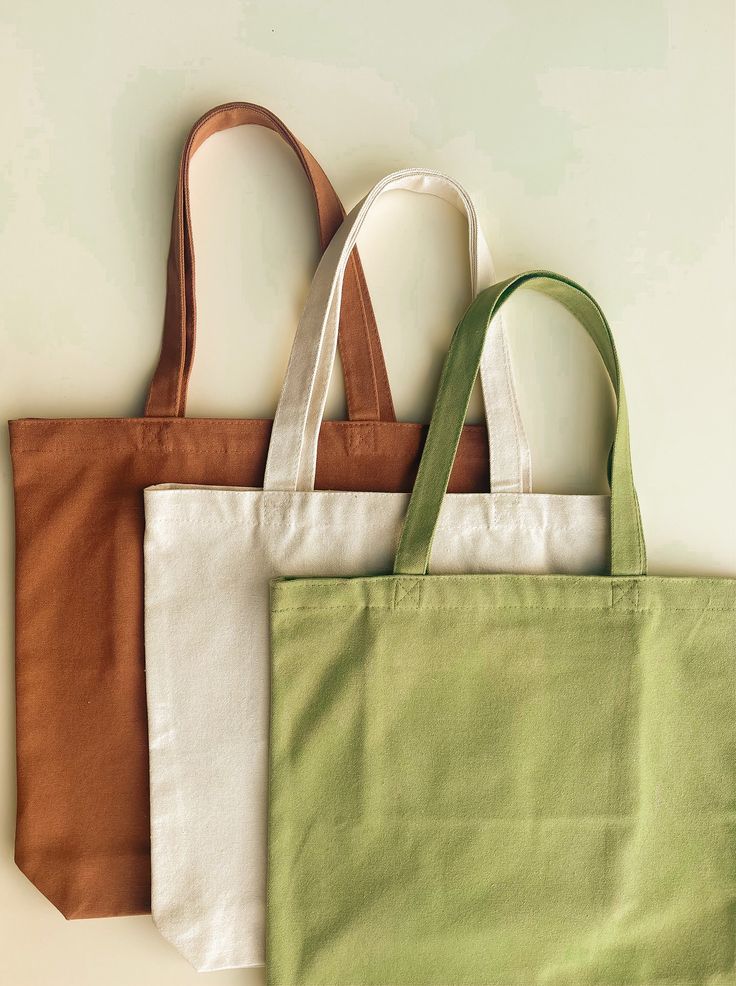
The answer might surprise you — and it changes everything about how you use your bag.
Every time you reach for your reusable tote bag in Ghana instead of accepting a single-use plastic bag, you are making a choice that adds up. But how much does it actually add up to? The question of how many plastic bags one reusable tote bag can replace is one researchers have studied carefully — and the findings are both encouraging and important to understand.
At Reusable Bags GH, we make and sell reusable bags in Accra every day. We talk to customers, students, businesses, and NGOs about plastic alternatives. And one of the questions we hear most often is this one: is my reusable tote actually making a difference?
The short answer is yes — but only if you use it enough. Here is what the science says, what it means for Ghana, and how to get the most impact from every bag you carry.
Several major lifecycle studies have tried to calculate the exact environmental ‘break-even point’ — the number of uses a reusable bag needs before its production costs are offset by the plastic bags it replaces. The numbers vary widely depending on the bag material and the study’s methodology.
UK Environment Agency Report (2011)
This is one of the most widely cited studies. It found that a standard cotton tote bag needs to be used at least 131 times to have a lower global warming impact than a single-use plastic bag — assuming the plastic bag is only used once and then disposed of. If you use your cotton tote for shopping twice a week, you reach that threshold in about 15 months.
Danish Environmental Protection Agency Study (2018)
This study took a broader view, incorporating water usage, land use, and all types of emissions across the full production lifecycle. It concluded that a cotton bag would need to be reused up to 7,100 times to offset its full environmental impact across all categories. That number is frequently misunderstood — it does not mean your tote is bad. It means that cotton farming, water use, and transport all carry environmental costs that require consistent, long-term use to justify.
The Consistent Finding Across All Studies
Despite the variation in numbers, every credible lifecycle study reaches the same conclusion: the more you use your reusable tote bag, the better it performs environmentally. There is no version of the research that says single-use plastic bags are better. The question is always about frequency of use.
Global lifecycle studies are useful, but they do not fully capture what plastic bag use looks like here in Ghana. In Accra, a typical household might receive 5–10 single-use plastic bags per day — from market visits, roadside vendors, small shops, and takeaway food. That is 1,800 to 3,600 plastic bags per household, per year.
A quality cotton tote bag used for daily market shopping in Accra replaces somewhere between 5 and 10 plastic bags per trip. Over two years of consistent use — which is very achievable for a well-made bag — that single tote replaces anywhere from 1,000 to 3,600 plastic bags. And it does not end up in a gutter, a drain, or the ocean.
“In Ghana’s wet season, plastic bags clog our drains and contribute directly to flooding in Accra. A reusable tote bag is not just an environmental choice — it is an infrastructure choice.”
The equation in Ghana is also simpler than in Western countries because single-use plastic bag recycling rates here are very low. When a plastic bag is used once and discarded in Ghana, it almost certainly ends up in landfill, open waste, or a waterway. That makes every reuse count for more.
Not all reusable bags are created equal. The break-even point differs significantly by material:
At Reusable Bags GH, we produce cotton tote bags, jute bags, and upcycled denim bags — all made in Accra. Each is designed to be used for years, not months. Our denim tote bags use fabric sourced directly from Kantamanto Market, one of the world’s largest second-hand clothing markets. Choosing one is a double environmental win: it reduces plastic bag use and gives textile waste a second life.
Browse our full range at reusablebagsgh.com/shop/ — cotton totes, jute bags, and upcycled denim.
The research is clear: frequency of use is everything. Here is how to get the most out of your reusable tote bag in Ghana:
Here is a practical summary based on typical Ghanaian household use:
|
Usage pattern |
Plastic bags replaced / year |
Over 3 years |
|
Market shopping 3x / week |
~780 |
~2,340 |
|
Daily errands (5 bags / trip) |
~1,825 |
~5,475 |
|
Light use (shopping once a week) |
~260 |
~780 |
These numbers assume 5 plastic bags replaced per trip — a conservative estimate for typical Ghanaian market and street shopping. The impact of one simple reusable tote bag in Ghana used consistently over three years is thousands of plastic bags kept out of our drains, waterways, and land.
At Reusable Bags GH, we have been making eco-friendly reusable bags in Accra since 2020. Our bags are built to last — designed for Ghana’s climate, Ghana’s markets, and Ghana’s daily life. Every bag is made with care by our team in Accra.
Whether you are buying one bag for yourself or a hundred for your brand, each one starts a journey of thousands of plastic bags replaced.
Shop now: reusablebagsgh.com/shop/ | WhatsApp: +233 53 899 1415 | Email: reusablebagsgh@gmail.com
Connect with us on Instagram