Plastic Free July: The Role of Sustainable Partnerships in Promoting Reusable Bags in Ghana
By
apentengcollins
July 10, 2025
Introduction
July marks “Plastic Free Month”—a global call to action to reduce single-use plastics and embrace sustainable alternatives. In Ghana, the movement is gaining momentum, with local businesses, NGOs, and communities championing the shift to reusable bags. At the heart of this transformation are sustainable partnerships—collaborations that drive real, lasting change for people and the planet.
The Power of Sustainable Partnerships
Sustainable partnerships are long-term collaborations between organizations, businesses, and communities, united by a shared commitment to environmental stewardship and social responsibility. These partnerships are essential for several reasons:
Resource Mobilization: By pooling financial, technical, and human resources, partners can tackle ambitious projects that would be impossible alone.
Knowledge Sharing: Each partner brings unique expertise, from innovative design to community engagement, leading to more effective and creative solutions.
Risk Distribution: Sharing risks encourages innovation and makes it easier to pilot new ideas, such as upcycling plastic waste into reusable bags.
Amplified Impact: Partnerships extend the reach of sustainability initiatives, ensuring that positive change touches more lives and communities.
Enhanced Legitimacy: When diverse stakeholders unite, it builds public trust and signals a genuine commitment to sustainability.
Why Partnerships Matter for Reusable Bags in Ghana
Tackling Plastic Pollution
Ghana faces a significant plastic waste challenge, with single-use plastics clogging drains, polluting waterways, and threatening public health. Sustainable partnerships are at the forefront of the solution:
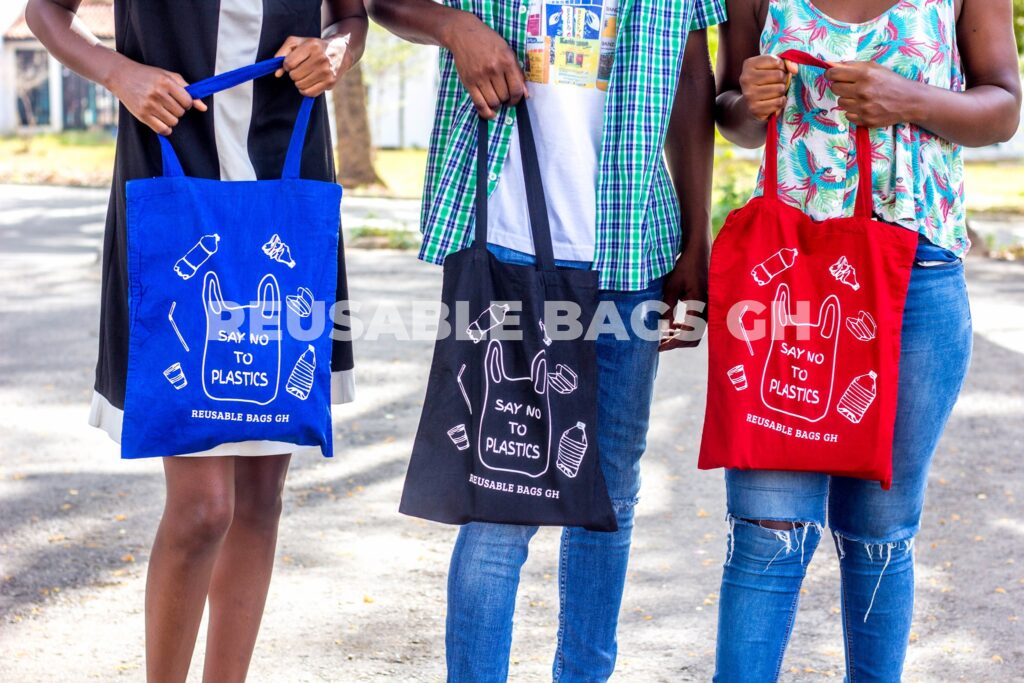
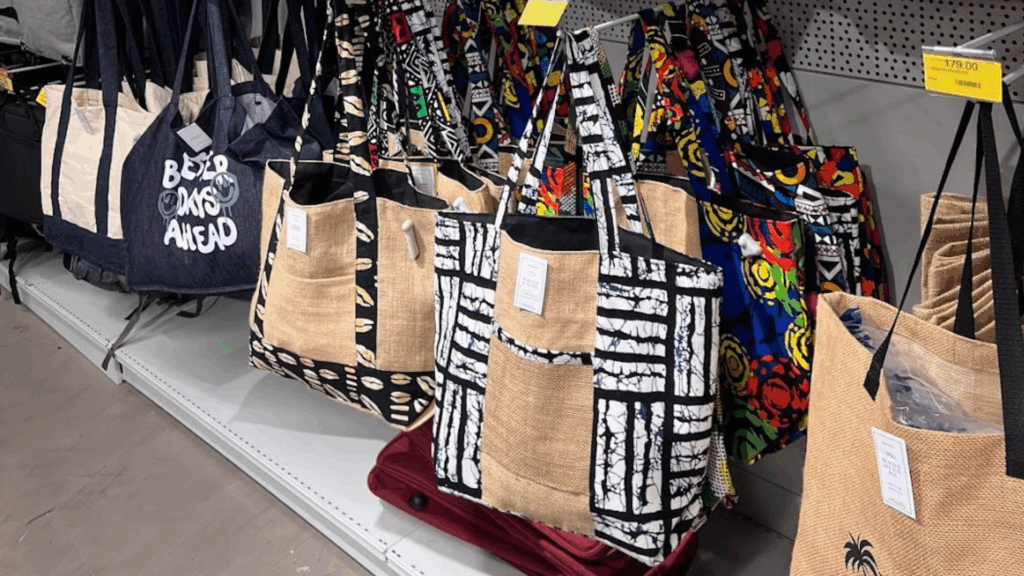
Local Production: Brands like Reusable Bags Gh and Soko Bags collaborate with artisans, NGOs, and businesses to produce affordable, high-quality reusable bags using eco-friendly materials such as cotton, jute, and upcycled plastics.
Community Empowerment: Training programs, such as those led by “Let’s Do It Ghana” in partnership with Reusable Bags Gh, equip youth and women with skills to make and sell reusable bags, creating jobs and reducing plastic waste.
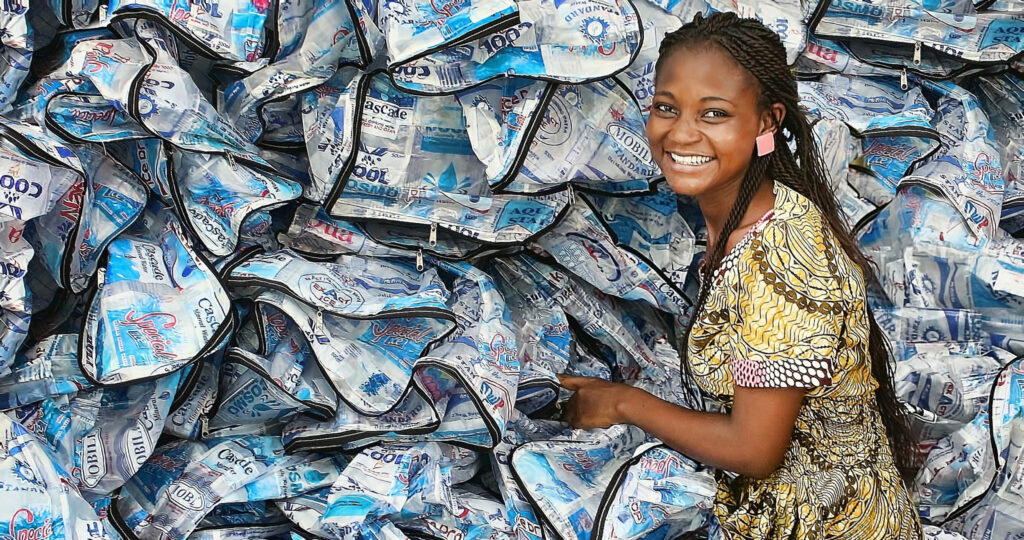
Circular Economy: Social enterprises like Trashy Bags Africa transform discarded plastic sachets into durable tote bags, demonstrating how partnerships can turn waste into opportunity while supporting local employment.
Education and Advocacy
Sustainable partnerships also drive public education and advocacy:
Awareness Campaigns: Joint initiatives raise awareness about the dangers of single-use plastics and the benefits of reusable alternatives, reaching schools, markets, and communities.
Policy Influence: By uniting voices, partnerships can advocate for stronger policies, such as Ghana’s gradual ban on single-use plastic bags and the promotion of sustainable packaging.
Economic and Environmental Benefits
Job Creation: The production and distribution of reusable bags support local businesses and artisans, especially women-led enterprises, fostering economic growth.
Environmental Impact: Each reusable bag can replace hundreds of single-use plastic bags, significantly reducing pollution and conserving natural resources.
Brand Value: Businesses that embrace sustainable partnerships and eco-friendly products enhance their reputation and appeal to environmentally conscious consumers.
Real-World Impact: Ghana’s Reusable Bag Movement
Reusable Bags Gh collaborates with top producers and eco-initiatives to promote a plastic-free environment, offering custom, durable, and stylish tote bags for everyday use.
Soko Bags empowers women through ethical manufacturing of biodegradable bags, supporting both environmental and social goals.
Trashy Bags Africa has recycled over 13 million pieces of plastic, turning them into functional products and raising awareness about plastic pollution.
Conclusion
Sustainable partnerships are the backbone of Ghana’s fight against plastic pollution. By working together, businesses, NGOs, and communities are not only reducing waste but also creating jobs, empowering individuals, and building a cleaner, greener future. As we celebrate No Plastic Month, let’s recognize that every reusable bag—and every partnership behind it—brings us one step closer to a sustainable Ghana.